“To Love You, I Got to Evolve”
Social Media in Modern Music Promotion
“I know that I lost all, lost all control, to love you, I got to evolve” – 5 Seconds of Summer
The music industry is constantly evolving to stay more in touch with the desires of music fans. In an era where social media allows us to feel connected and engaged with people we will likely never meet, interviews with media outlets are no longer the only way for musicians to reach out to their fans. We’re in the middle of a new era of music promotion, one that relies on directly involving fans in promoting the musicians and their work.
Dedicated fans have always been a core focus for promotional campaigns. Looking back on one of the most successful groups of our generation, Beatlemania didn’t happen overnight. It was the result of creating an image that was loved by the masses, strengthened by the Beatles’ charisma and widespread appeal. The thing is, without a good marketing and promotional campaign behind the four musicians, the Beatles could have remained unknown.
The internet has become an incredible tool for music marketing, and it isn’t going away anytime soon. It allows artists to find new ways to share and promote their music so the work can achieve its full potential. A push in recent years has sent creative directors to all corners of the web, thoroughly changing the ways most people interact with modern music.
How modern music promotion works
Running a music campaign is an ever-changing process. Modern campaigns have dedicated teams behind them, curating the images their artists create for themselves. Each team takes a different approach, while operating mainly within the same setup.
Generally, the main artist account is used for official photoshoots, showcasing the artist’s latest album or a positive news story. The focus stays mainly promotional, with occasional glimpses behind the scenes. Content on this account is designed to curate a specific image for the artist by showcasing their work and providing insights into who they are beyond the music.
Some musicians choose to only promote their work on their artist account, leaving interaction and engagement with fans to a social page run by their team. It’s a common practice, shown in pages like Taylor Swift’s Taylor Nation and Olivia Rodrigo’s LiviesHQ. The official social page may post fan-oriented content, like throwbacks and countdowns to releases, and invite fans to engage with each other. The team will also invite and post submitted fan-made content, like tour outfits and tour photos showcased on their stories.
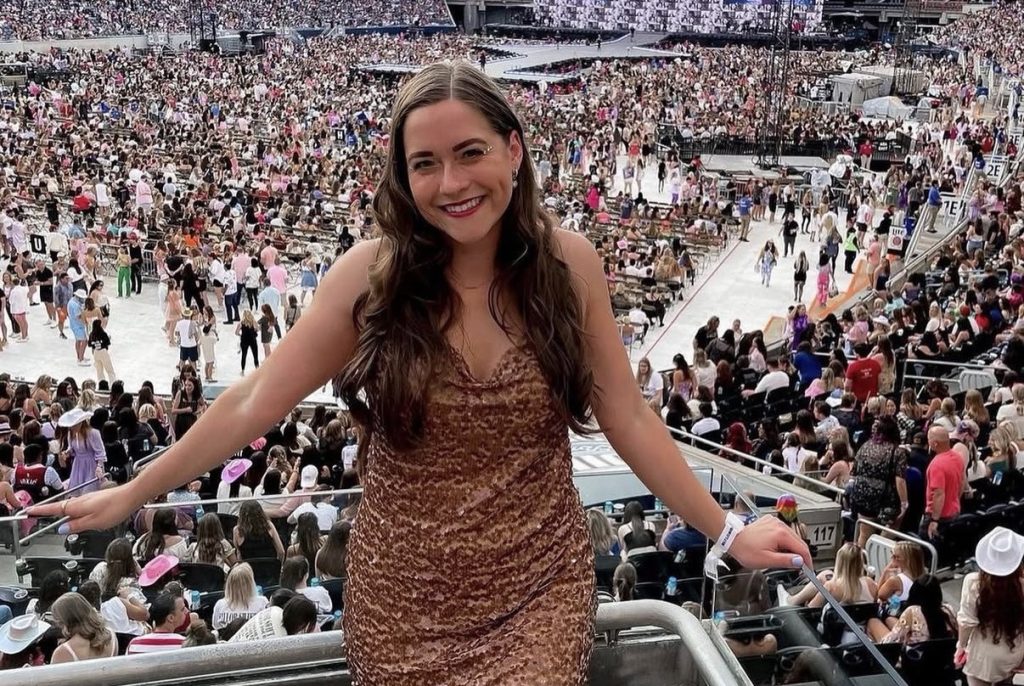
Eras Tour outfits shared by Taylor Nation
The official social page acts as a go-between platform for the artist and their fans to engage, but at a distance. Most fans understand that the musician usually isn’t personally seeing their content when the page engages with people, or managing the page updates.
Fan engagement and participation
To some dedicated fans, sharing their love for their favourite artists is their main thing. Unofficial fan pages have become widespread, with fans engaging primarily with one another. Fan page owners will make their pages their own, including their own chosen design elements and music references. They keep themselves aware of any official updates from the musician, hoping to be the first to tell their followers. Running a fan page can be nearly as time-consuming as a job, and some fan pages are run by entire teams of volunteers.
Fan pages can become an unofficial yet important way for the musician to promote their work, and musicians’ promotional teams may reach out directly to fan page owners to offer inside information. Successful fan pages may even become official social pages for the artists they promote. Artists also like the unofficial pages, as do fans, who feel that their fellow fans are more approachable and easier to talk to than the official teams.
Many musicians’ social media accounts stick around forever. When an online presence is fully developed, the last thing people anticipate is for it to disappear. People’s understanding of who an artist is is derived largely from what they share online. If the artist removes that shared content, the move can clear the way for something new.
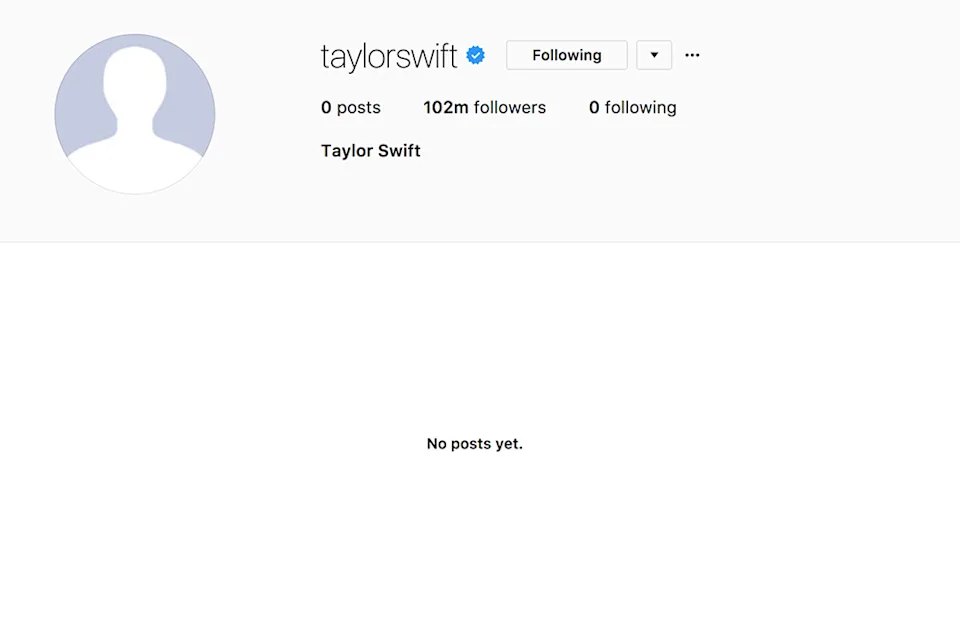
Taylor Swift’s social media after being cleared in 2017
This was the reasoning behind Taylor Swift’s decision in 2017 to delete all of her profile photos and social media posts, after her public humiliation by Kanye West. She removed all traces of her previous public identity and made space for her self-reinvention, shedding her past “self” in much the way that a snake sheds its skin. By clearing out the old content, she created space to boldly reinvent how people saw her with her comeback album, Reputation.
The rise of intentionally vague promotion
When fans spot a vague-looking message that seems to be connected to their favourite artist, they immediately get curious and start asking questions. Whether the potential promotional piece is a billboard, a website, or a poster, fans start looking for answers and sharing their ideas about what’s going on with fellow fans. Steadily, speculation levels rise when clues start to point to who’s behind the promotion.
Over the last 10 years, intentionally vague or mysterious marketing campaigns have become more common. Musicians may put up billboards with subtle hints for fans, register web domains that only become important later on, or even create tourism campaigns for a fictional place (such as Harry Styles’ Eroda, which was invented to promote his single “Adore You”).
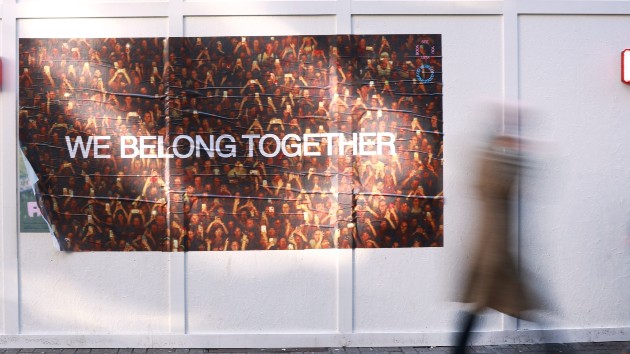
Poster promoting Harry Styles’ “Kiss All The Time, Disco Occasionally” in Soho
Fans will go deep into their analysis of hints and clues, even going as far as to analyze a website’s source code. Every clue is taken as potentially something more, creating “anticipation for the unanticipated” while fans wait between releases.
Being intentionally vague may spark fans’ curiosity, but it isn’t always a good marketing strategy. Fans can easily start over-analyzing every move an artist makes as evidence of hidden meanings. While the approach can be a fantastic way to get fans interested in the idea that something special is coming from a favourite musician, those same fans may also get fatigued and even annoyed by constantly searching for answers.
Pushing the limits of social media interaction
With so many established yet unspoken rules for how music is promoted through social media, many artists try hard to push the creative boundaries.
In April 2024, fans were met with an iconic symbol of personal connection on Instagram: the close friends story. The green circle displayed on Billie Eilish’s profile was a surprise to many; it was a visual associated with intentionally adding someone to a limited list of viewers who could see a private Instagram Story. Thousands of people thought Eilish had made a mistake. But in fact, the move was anything but accidental. The popular singer had collaborated with Instagram to add all 1.5 million of her followers on the platform to this close friends group.
In time, it was revealed that following Billie Eilish would by default add you to a list of people who could view her private Instagram Story. What waited were hints towards her new album, Hit Me Hard and Soft. By blurring the lines associated with the usual image of being separate from fans, Eilish gained over seven million new followers wanting to see her announcement. The campaign was a complete success, with countless headlines about fans being Billie’s newfound close friends.
The element of surprise plays heavily into music promotion. In 2014, The Artist Formerly Known as Prince ran a series of pop-up concerts. The approach perfectly matched the title of the album he was promoting, HitNRun. The iconic singer had several accounts on Twitter, where he would announce “spontaneous” intimate performances just hours before each show. Each concert’s audience would start out small but slowly grow as more fans became aware that the concert was happening. The Artist would perform both fan favourites and lesser-known tracks, making each show a joy for both super fans and casual listeners. After the HitNRun tour ended, each of the Twitter accounts was emptied, leaving no trace of the original announcements.
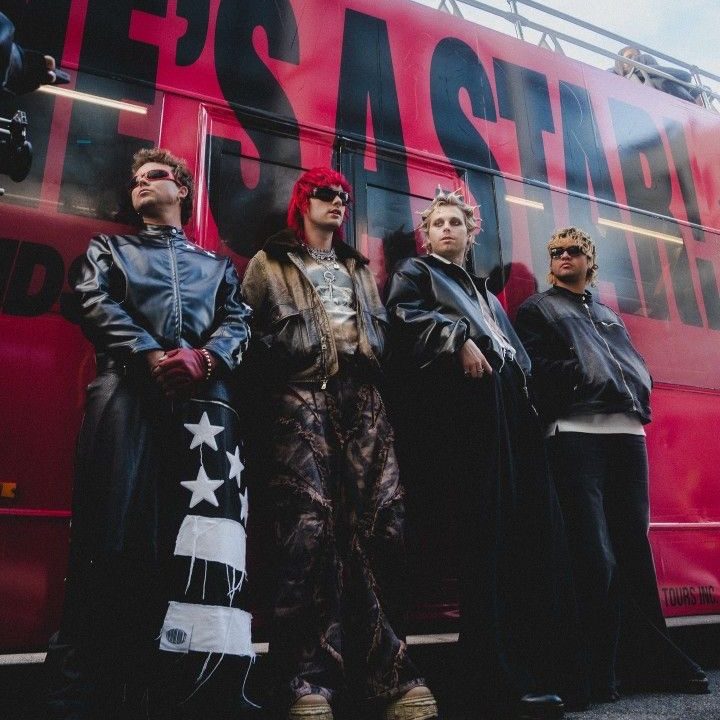
Photoshoot for Five Seconds of Summer’s “Everyone’s A Star!” live performance in Times Square
During their recent album rollout, the pop rock band 5 Seconds of Summer used their social media platforms to hint to fans that they were in New York City. “Again, we’re not allowed to say where, but if you think really hard about cool places we could play. Think of the biggest thing we could ever do. Where the biggest band in the world be like ‘We have to play there.’ Where would it be? See you there.” the band members said in a cryptic video posted last November, calling for people to search for them in the massive city. Fans immediately started searching online, and found live feeds of a stage in Times Square. Fans rushed to the location, where they merged into a massive crowd gathered to see the band perform a live show. Surrounded by graphics for their recent release, the venue was the perfect promotion for the band’s fame-focused album, Everyone’s A Star!
The effects of modern music promotional strategies
Thanks to the internet, creating connections between artists and fans has never been easier. The challenge musicians and their teams face is how to do it well, truly showcasing the marketing campaign’s goal: the art that’s being presented. Fans are always happy to be engaged by artists, and by making it possible for their fans to be part of an album’s unveiling, a musician gains a dedicated audience of fans who feel noticed and appreciated.
January 20, 2026